
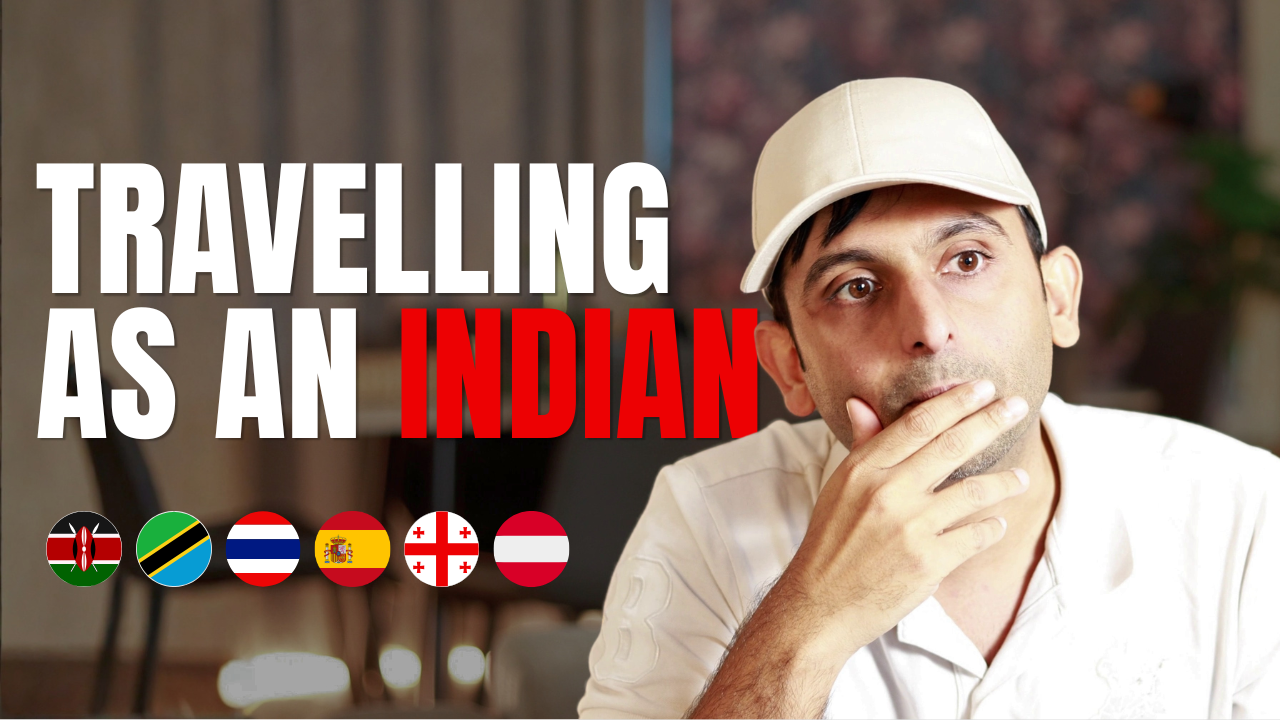
Travelling as a Indian tourists across 25+ countries has been one of the most rewarding journeys of our lives. But not every destination has been equally welcoming. In this honest travel review, we break down 6 countries where we felt unsafe, unwelcome, or simply uncomfortable, and more importantly, why.
Why Some Countries Feel Unwelcoming to Indian Tourists
The experience of travelling as an Indian tourist varies enormously depending on the destination. Safety infrastructure, local attitudes toward tourism, and even how the local service industry is trained can make or break a trip. This isn’t about which countries have the worst attractions; in fact, some of the most spectacular destinations we’ve ever visited made this list. It’s specifically about the experience of getting there, moving around, and interacting with locals.
Table of Contents
1. Kenya & Tanzania: Stunning Destinations, Real Safety Concerns
Kenya and Tanzania sit at the very bottom of our discomfort list, which means the issues were relatively minor; but they’re worth flagging for first-time travellers.
In Nairobi, we found ourselves lost at night with a cab driver who had no internet connectivity. The city has limited street lighting in many areas and navigating without local knowledge felt genuinely stressful. We got back safely, but it was an uncomfortable few hours.
In Dar es Salaam, the ferry terminal toward Zanzibar was crowded and we’d been warned repeatedly about pickpockets and scammers targeting tourists. We did feel that low-level vigilance you shouldn’t have to feel on a holiday.
Here’s the important flip side: once you reach the actual tourist destinations, both countries are extraordinary. Masai Mara is genuinely the best trip we’ve taken in over 25 countries, nothing comes close. And Zanzibar rivals Thailand and Seychelles as a beach destination. The hospitality at lodges and resorts is warm, if not always formally trained. These countries absolutely deserve a visit; just go prepared.
| Factor | Kenya | Tanzania |
|---|---|---|
| Safety in capital | Moderate concern | Moderate concern |
| Tourist zones | Excellent | Excellent |
| Hospitality training | Developing | Developing |
| Overall recommendation | Strong yes | Strong yes |
2. Thailand: It’s Not the Locals, It’s Us
This one is uncomfortable to write, but it needs to be said. The friction we experienced in Thailand had nothing to do with Thai people and everything to do with the reputation Indian tourists have built there over the years.
On Thai flights, air hostesses visibly tensed when they saw Indian passengers. At some restaurants, service felt deliberately cold. This comes from a documented pattern of misbehaviour: groups of Indian tourists have made international news for littering beaches and public misconduct. Thai service staff have adapted accordingly.
The solution? Go to Krabi instead of Pattaya. Slightly higher price point, but it filters out the crowd that creates these problems. The experience is night and day.
3. Spain: Locals vs Tourists
Spain has a genuine overtourism crisis, and locals are not hiding their frustration. In Granada, we encountered a local man hurling abuse at our walking tour group in Spanish. He wasn’t confused, he knew exactly what he was doing.
The reason is structural. Mass tourism has driven Airbnb investment in city centres, pushing rents beyond what locals can afford. Spain’s housing affordability crisis is directly linked to short-term rental saturation in cities like Barcelona, Madrid, Seville, and Granada. Locals have responded with water gun protests, hostile behaviour toward tourist groups, and political pressure on city governments.
Contrast this with Armenia, which saw a massive influx of Russian money and residents after 2022, and largely welcomed it because it improved infrastructure rather than displacing locals. Same phenomenon, two completely different community responses.
Spain overall is still a spectacular destination. The walking tours, the architecture, the food: all world class. Just understand the social context you’re stepping into.
| City | Overtourism Level | Local Hostility Risk | Still Worth Visiting? |
|---|---|---|---|
| Barcelona | Very High | Moderate-High | Yes |
| Madrid | High | Low-Moderate | Yes |
| Granada | High | Moderate | Yes |
| Seville | Moderate | Low | Yes |
4. Georgia: Your Passport Will Be Scrutinised Especially as an Indian Tourist
Georgia is a country we love and have visited twice. But both times, entry was a friction point; particularly for Indian passport holders.
At Tbilisi airport, expect a wait and document checks that go beyond the standard. At land borders (we crossed from Armenia by car), expect to be held aside, questioned, and potentially separated from your travel companions while immigration figures out what to do with you.
This isn’t personal hostility, it’s a bureaucratic wariness toward South Asian passports that you need to be prepared for. Have your documents ready: hotel bookings, onward travel, bank statements, and return ticket. Once through, Georgia is warm, affordable, and genuinely beautiful.
We’ve made a separate video specifically on what documents Indian, Pakistani, and Bangladeshi passport holders should carry for Georgia, worth watching before you go.
5. Austria: A Hospitality Culture Gap
Austria was the most surprising entry on this list. Vienna is one of the most beautiful cities in Europe and culturally extraordinary. But the service culture there is blunt in a way that can feel rude if you come from India or Southeast Asia.
We had a waiter at a famous hilltop café near Schönbrunn Palace speak to us in a sharp, dismissive tone over a minor seating issue. When we raised this with a local Austrian contact, the response was telling: “They’re like that with everyone, including us.”
Austria is one of the few European countries with a tipping culture, which creates a different service dynamic than most of the continent. It’s not targeted hostility (maybe), it’s a cultural style mismatch. Knowing that going in makes it much easier to navigate.
Final Verdict: Should These Countries Put You Off?
Absolutely not. Every single country on this list is worth visiting. The point of this article isn’t to discourage travel; it’s to set honest expectations so you’re not blindsided.
The pattern across all six is that the discomfort is manageable once you understand its source: safety infrastructure gaps in East Africa, reputational baggage in Thailand, structural economic resentment in Spain, bureaucratic caution in Georgia, and a cultural hospitality style in Austria.
Travel prepared, not paranoid.
Have you had uncomfortable experiences travelling as an Indian tourist? Tell us in the comments on the video — and let us know if you’d like us to do a series on the best countries we’ve visited.
Also read: Georgia Travel Itinerary: Affordable Luxury in 5 Days
[…] 6 Countries Unfriendly to Indian Tourists: Honest Travel Review (2026) India vs UAE Budget 2026: 7 Shocking Truths That Reveal Who Is Really Building for the Future […]
[…] Road Trip: The Ultimate 7-Day Itinerary + Cost Breakdown 6 Countries Unfriendly to Indian Tourists: Honest Travel Review (2026) Armenia Travel Vlog: Monasteries, Wine & Birthday Fun in the […]